As our nation marks the 250th anniversary of the signing of the Declaration of Independence this year, communities across the country are considering the people, places, choices, and conflicts that have shaped the American experiment.

The Albany Institute of History & Art is uniquely positioned to reflect on this milestone, as one of the oldest museums in the United States and a repository for the ideas and objects that have defined our community, region and nation across generations.
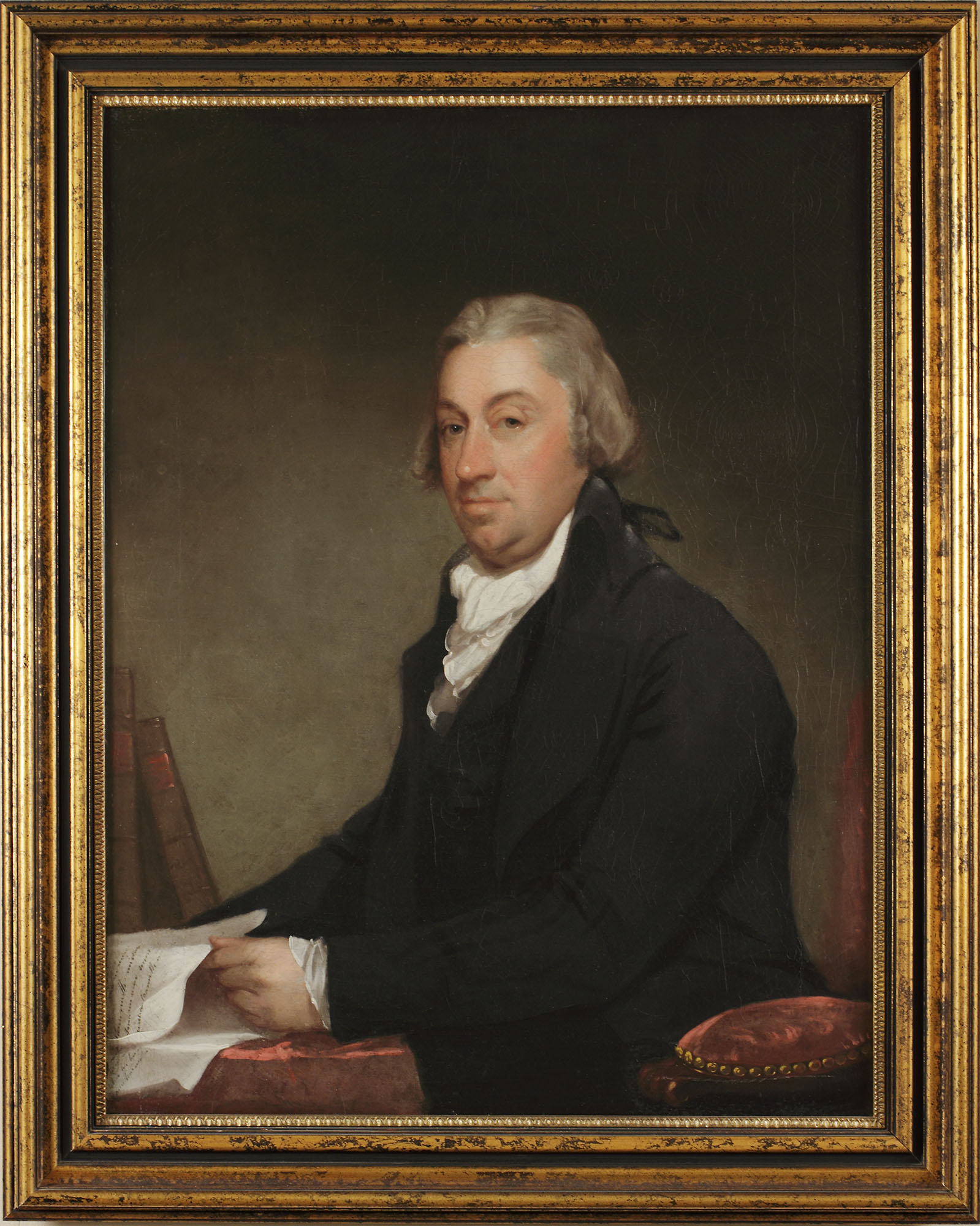
The museum traces its origins to the first scientific organization in New York State, the Society for the Promotion of Agriculture, Arts, and Manufactures, founded in 1791. Its first president was Robert R. Livingston, who just fifteen years earlier had served on the Committee of Five that drafted the Declaration of Independence and two years earlier administered the presidential oath of office to George Washington.

As part of this celebration of the nation’s founding, the Albany Institute will present Albany, c. 1776, an exhibition opening in October 2026 that illustrates Albany’s place in this history.


Drawing upon objects and rare documents from the museum’s collection, Albany, c. 1776 will explore Albany’s role in the American Revolution and illuminate what life was like in Upstate New York as Philip Schuyler and his Patriot allies fought for “the cause of American Liberty.” The exhibition will also offer insights into Loyalists in this region who supported the British Crown.

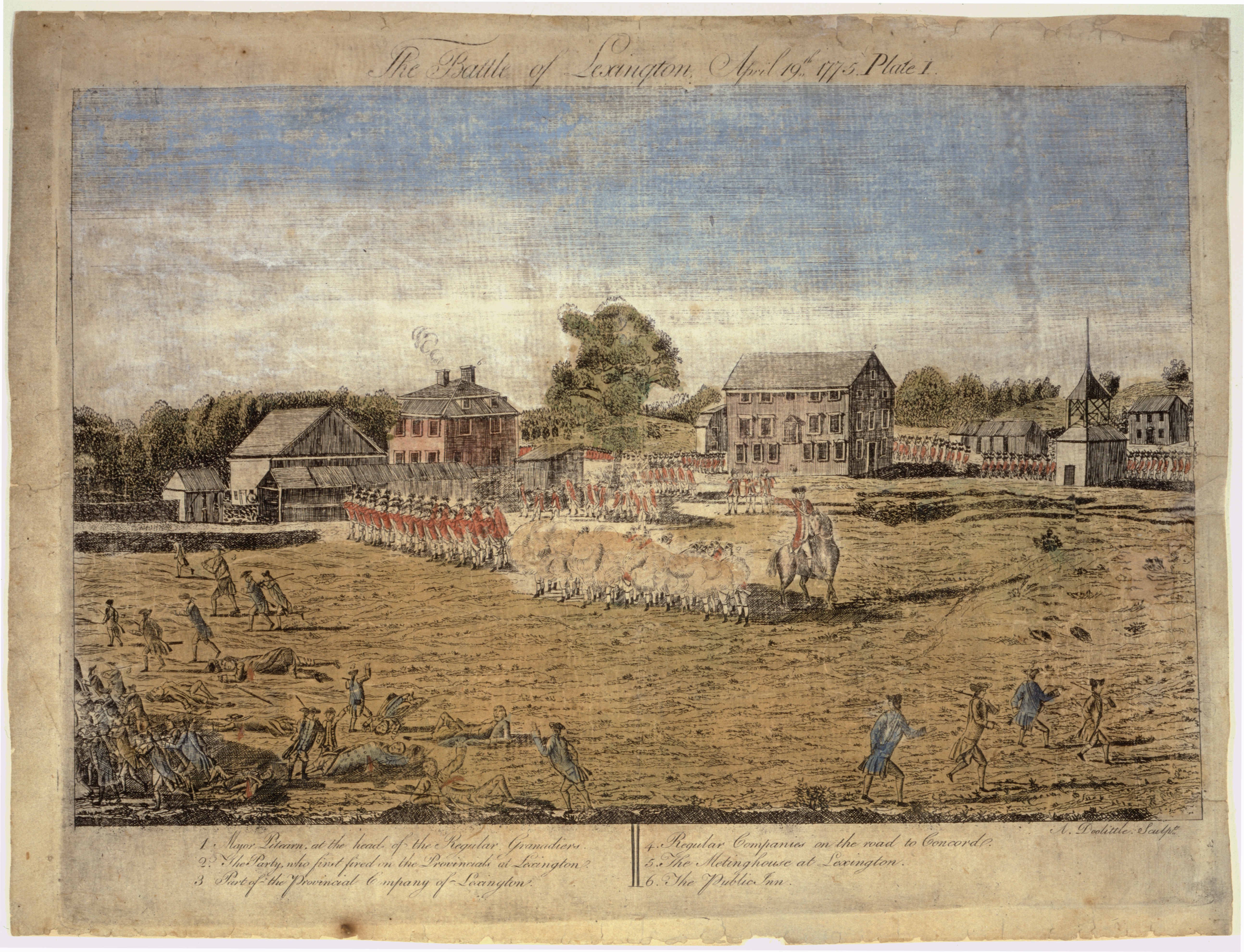
The Battle of Lexington April 19th, 1775 Plate I, Ralph Earl (1751-1801), 1775, Amos Doolittle (1754-1832) (engraver, printer), hand-colored etching and engraving on laid paper. Albany Institute of History & Art, gift of Dr. Bela J. Ward and H. Judd Ward, 1920.2.1

AIHA collections are used not just for Albany Institute exhibitions and projects, but also by researchers from all corners of the globe, who turn to museum curatorial staff for images, research assistance, and resource guidance. The Albany Institute’s collections and expertise are indispensable resources for institutions and individual scholars creating exhibitions, scholarly publications, general interest biographies and histories about prominent eighteenth century regional figures including Citizen Genet, Philip Schuyler, Robert R. Livingston, Sir William Johnson, and Richard Varick.

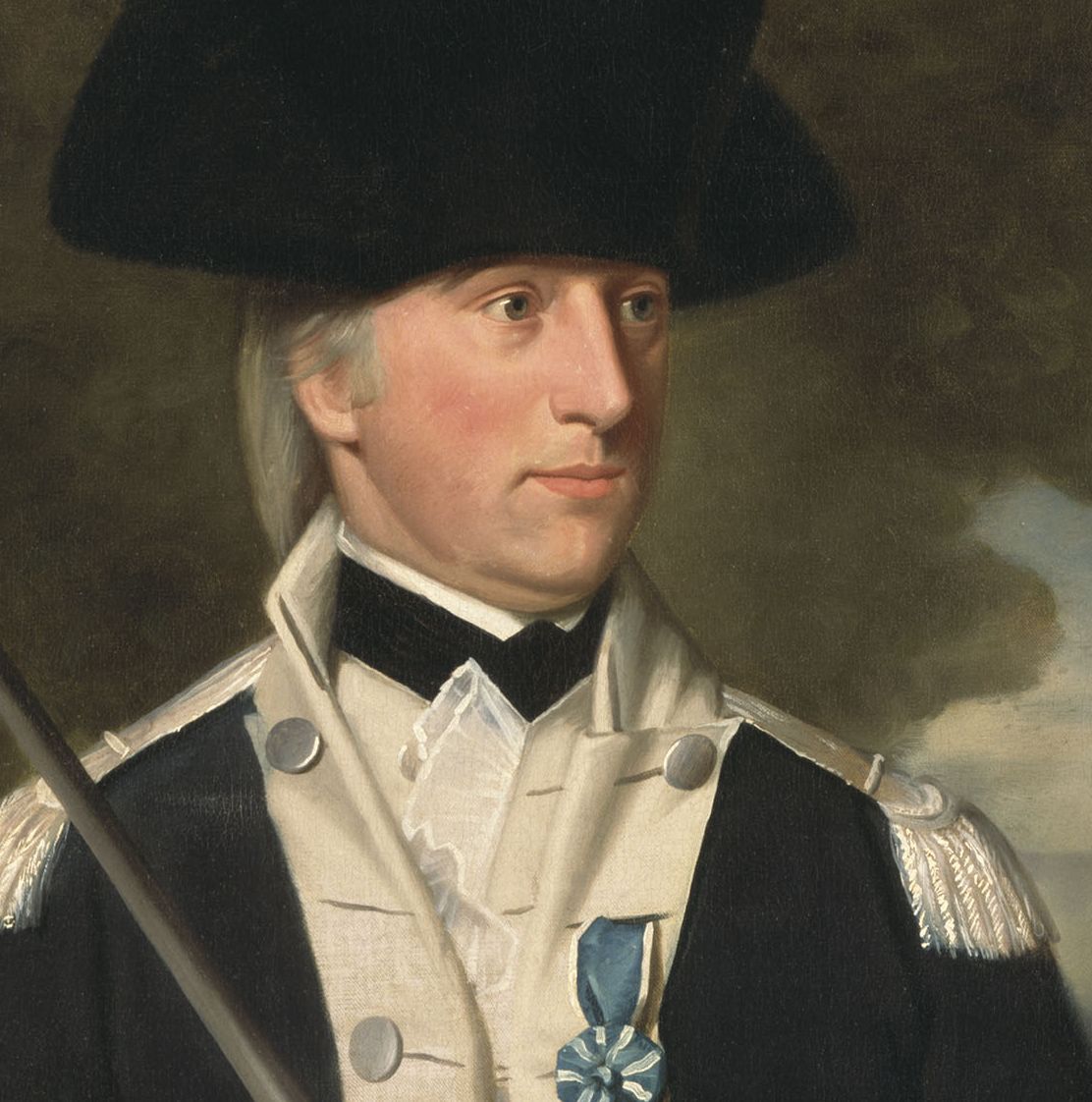
Richard Varick (1753–1831), Ralph Earl (1751–1801), c. 1787, oil on canvas. Albany Institute of History & Art, gift of Sara Walsh DeWitt, 1924.1.16

In 2026, the Albany Institute is providing images of eighteen century objects from the collection to institutions including the Museum of the City of New York, Rensselaer Polytechnic Institute, Schuyler Mansion State Historic Site, Ellis Island, The French magazine “L’Histoire,” Clermont State Historic Site, and the British Archaeological Report.

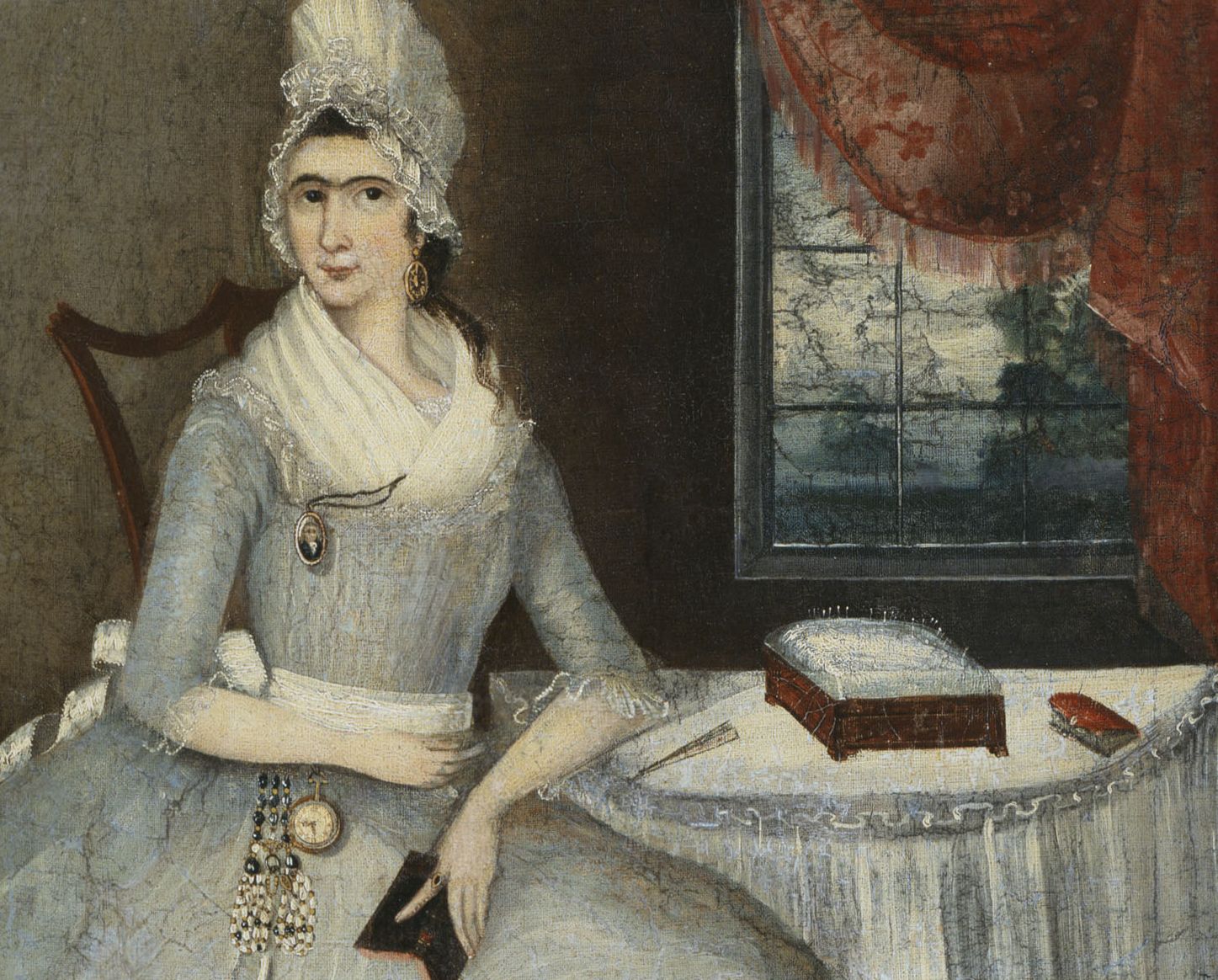
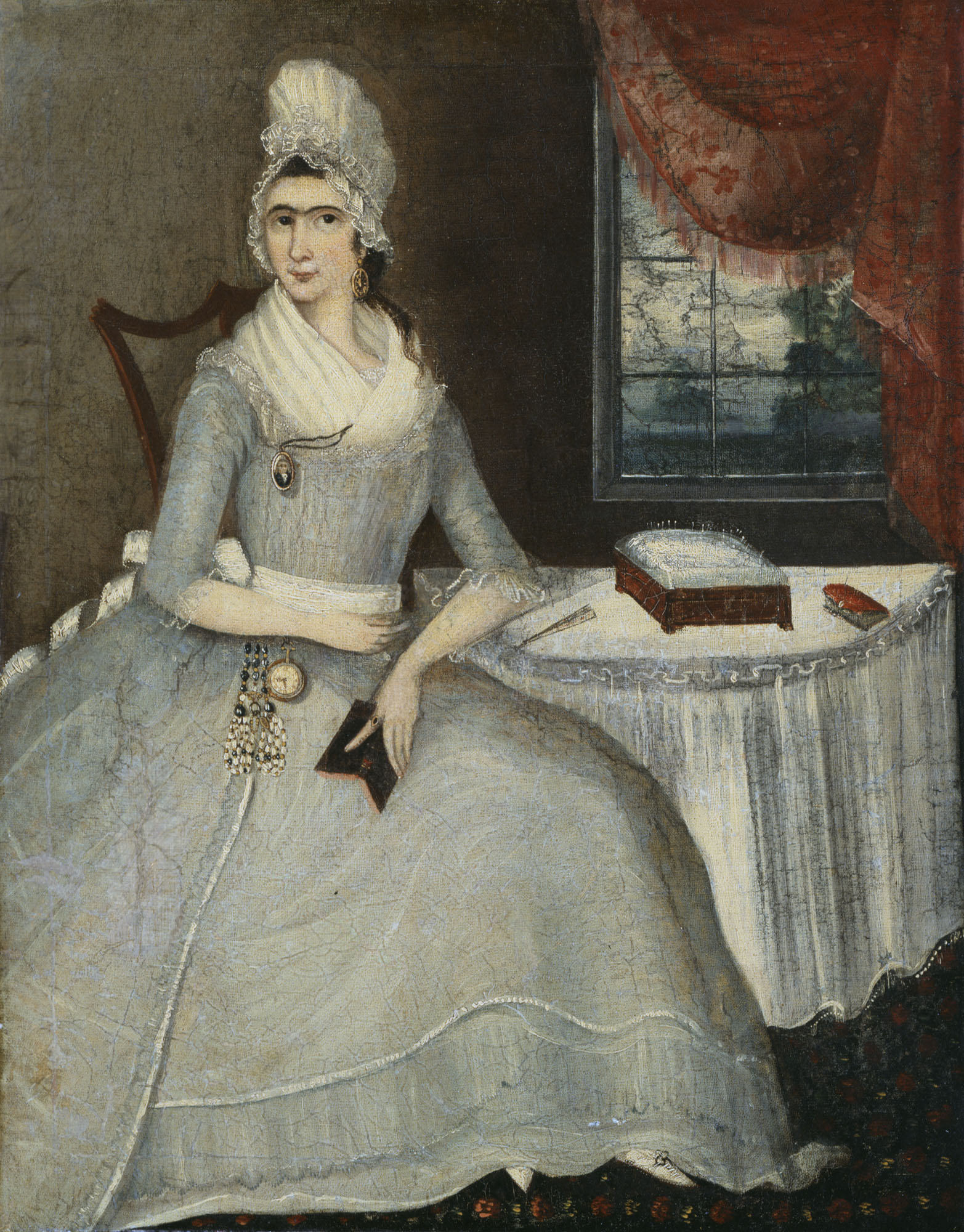
Hannah Maley Cuyler (born 1769), unidentified artist, 1790, oil on canvas. Albany Institute of History & Art Purchase, 1944.61

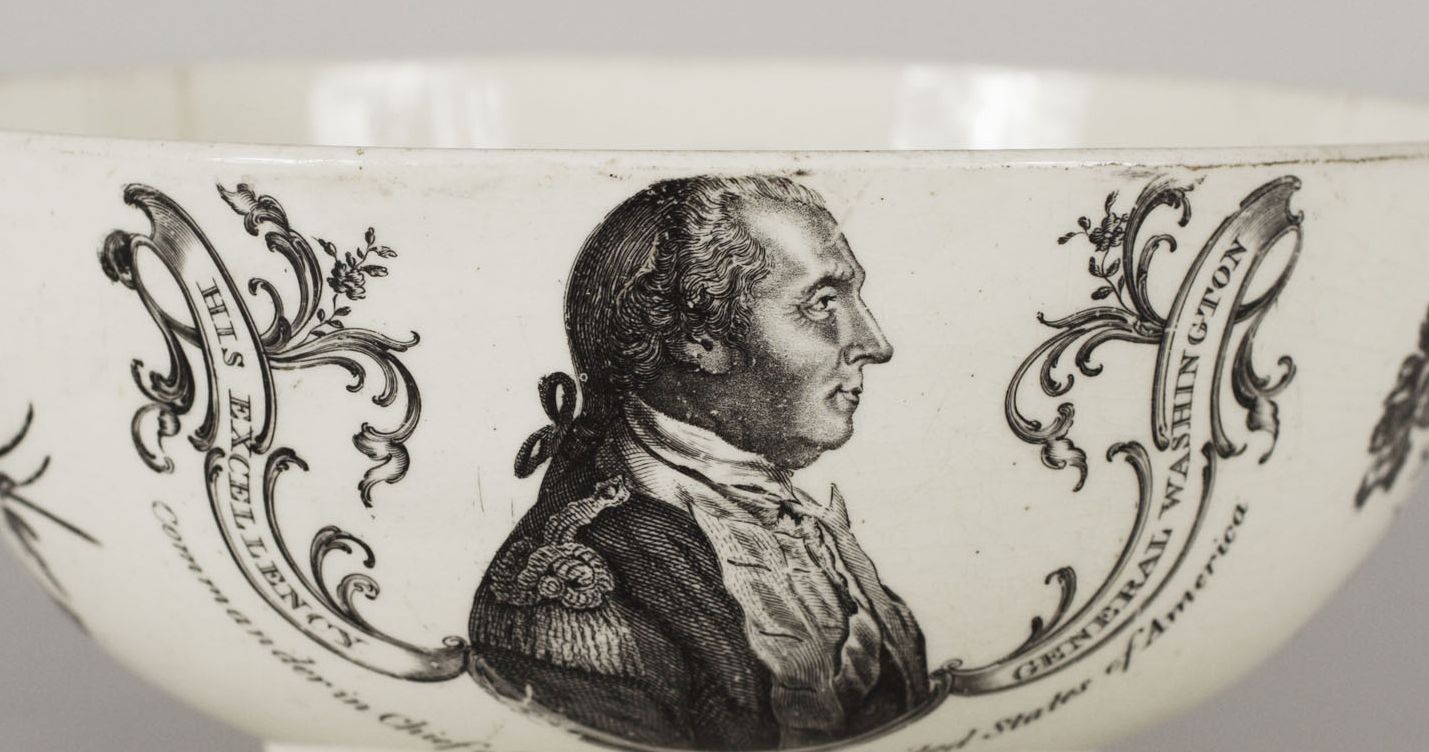
The forthcoming book, Political Appetites: The Power of Food in Revolutionary America, includes many images drawn from AIHA's collection, including a punch bowl decorated with an image of George Washington, and will be in the upcoming WMHT TV documentary, Feeding the American Revolution.

George Washington Punch Bowl, unidentified maker, England, c.1784, transfer-printed earthenware. Albany Institute of History & Art, Bequest of James Ten Eyck, 1911.5.115

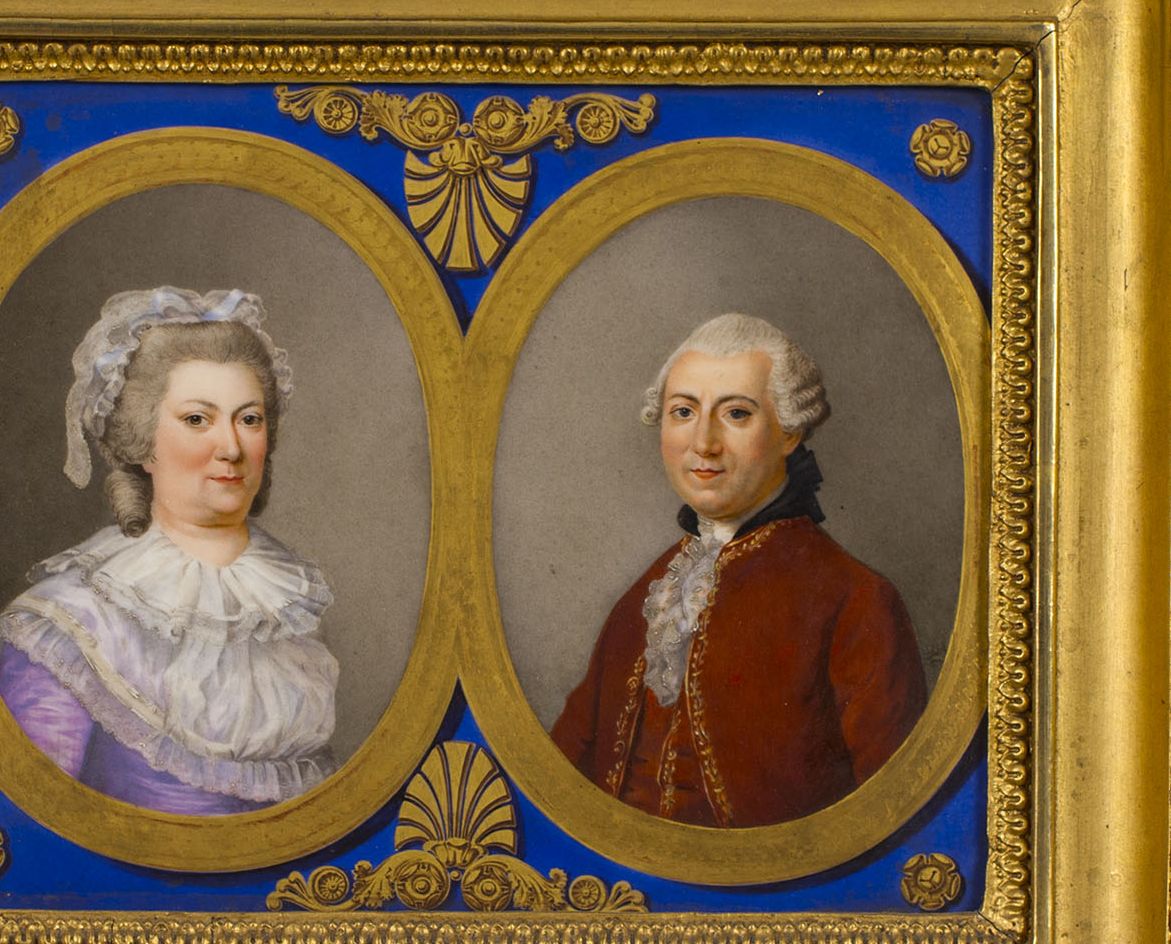
AIHA is the only source in the world for images of Edme Genet (1721–1796), the first person to translate the Declaration of Independence into French. An AIHA image of Genet will be included in a scholarly publication accompanying the exhibition The French and the Birth of the United States at the Musée du Nouveau Monde in LaRochelle, France.

Edme Jacques Genet (1721–1796) Marie Anne Louise Cardon (1726–1781), unidentified artist, late 18th century, enameled porcelain. Albany Institute of History & Art, bequest of George Clinton Genet through the Estate of Augusta Georgia Kirtland Genet, 1911.7.1a-b


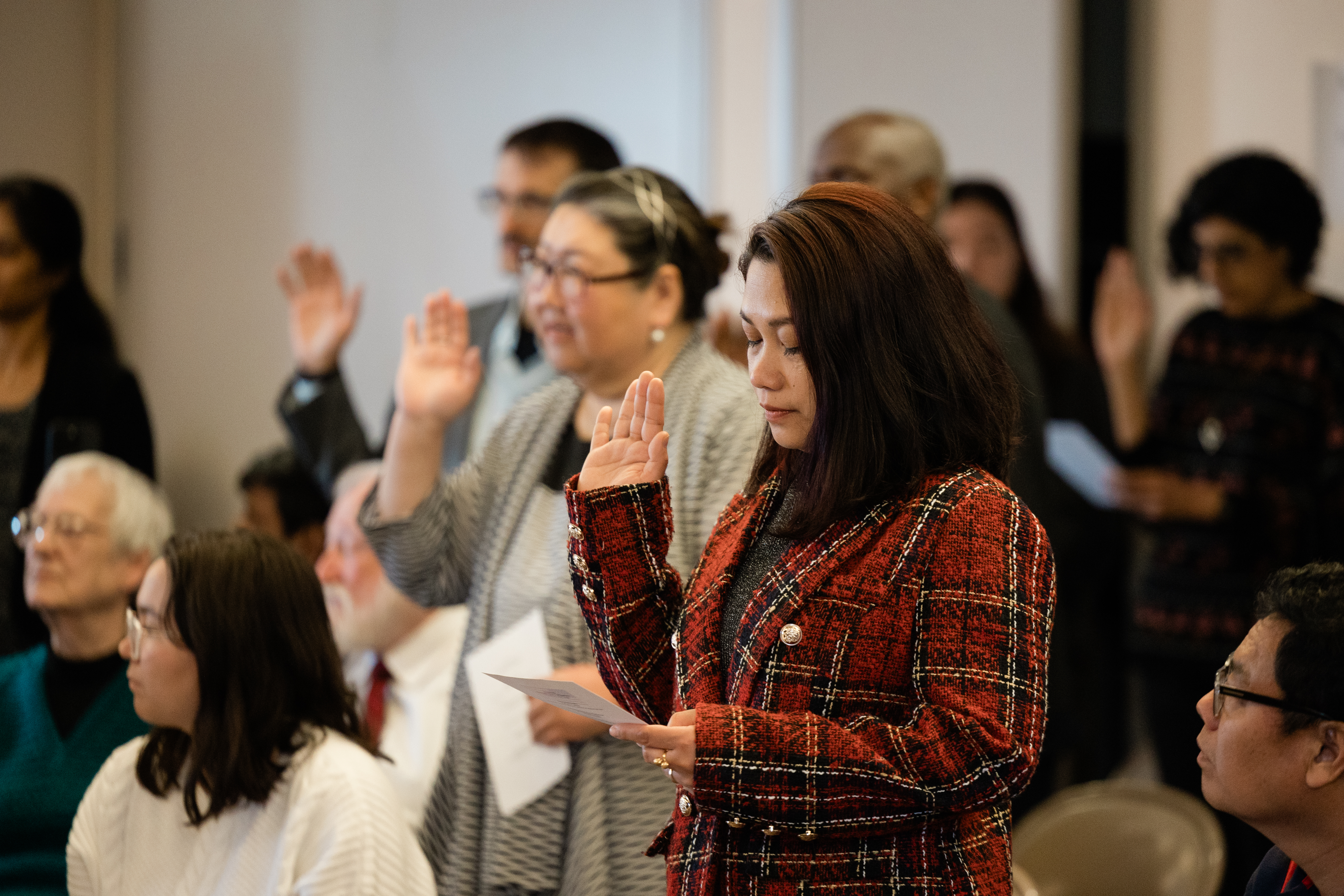
Albany, c. 1776 will provide a rich foundation for educational and public programming, including teacher professional development, school programs supporting social studies curricula, scholarly lectures and book talks, citizenship test preparation taught through AIHA’s collections, a naturalization ceremony, and other programs inviting audiences of all ages to explore the people, ideas, and events that shaped Albany and the nation during the Revolutionary era.


Help us keep art, history, and learning vibrant in our community and accessible to all. Your contribution to this exhibition will support a project that will serve our local community, visitors and school groups, and will have enduring value for scholars and researchers for generations to come.